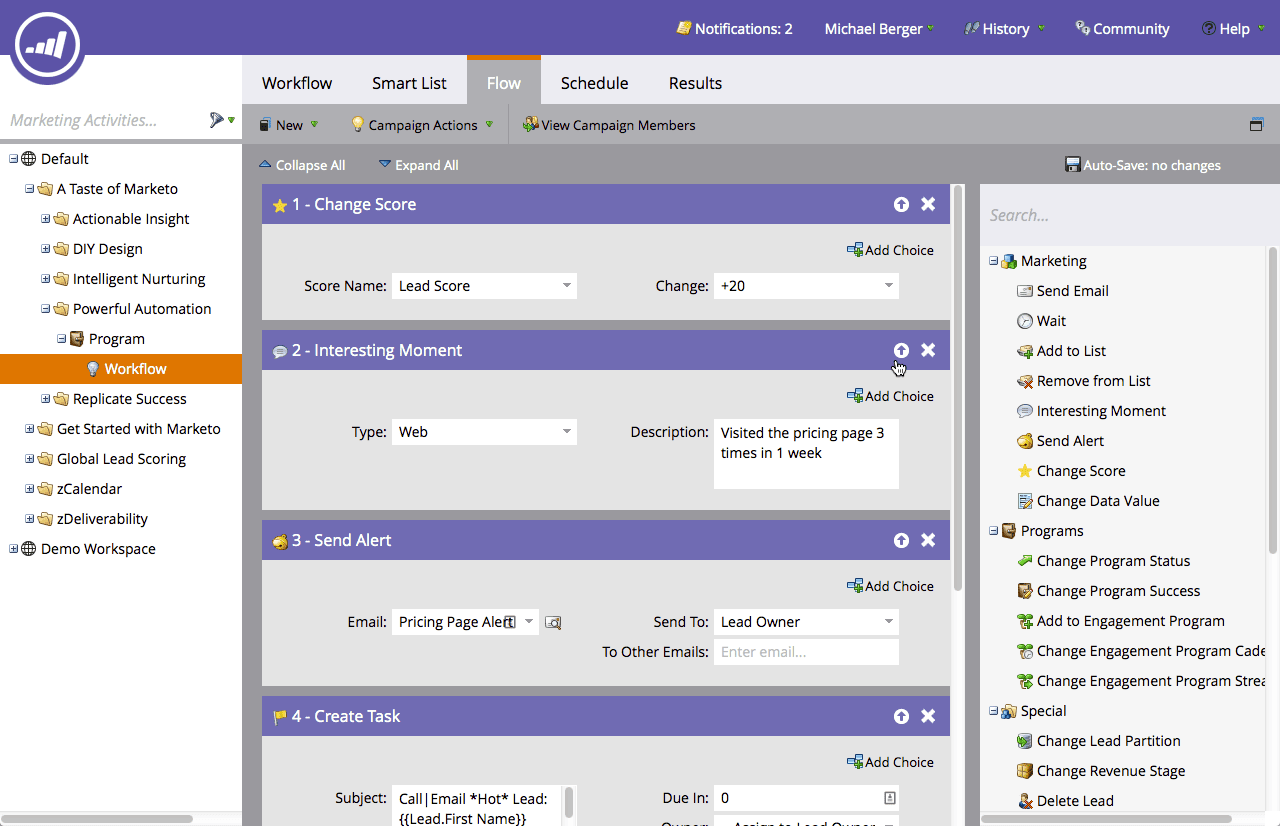
Welcome, investment bankers! In this fast-paced and competitive industry, having the right tools to manage client relationships is crucial. That’s why we have curated a list of the top CRM software solutions specifically tailored for investment bankers. These platforms are designed to help you streamline your workflow, improve communication with clients, and ultimately boost your productivity. Whether you’re a seasoned professional or just starting out in the field, these CRM systems will help you stay organized and ahead of the game.
Benefits of CRM for Investment Bankers
CRM, or Customer Relationship Management, is an essential tool for investment bankers to manage their client relationships, streamline operations, and improve efficiency. Here are the top benefits of CRM for investment bankers:
1. Enhanced Client Relationships: CRM software allows investment bankers to keep track of all client interactions, including calls, meetings, and emails. This helps in providing personalized service to clients, understanding their needs and preferences, and ultimately building stronger relationships. By having a centralized system to store client information and communication history, investment bankers can ensure timely follow-ups and stay organized in managing their client base.
Furthermore, CRM systems offer insights into client behavior and preferences through data analytics, helping investment bankers tailor their services and offerings to meet individual client needs. By understanding client preferences and needs, investment bankers can provide better advice, recommend suitable products, and ultimately increase client satisfaction and loyalty.
CRM also enables investment bankers to segment their client base based on various criteria, such as investment preferences, risk appetite, and communication preferences. By categorizing clients into different groups, investment bankers can create targeted marketing campaigns, deliver personalized messages, and provide relevant content to each segment. This personalized approach not only enhances client relationships but also increases the chances of cross-selling and upselling additional products and services.
Overall, CRM plays a crucial role in helping investment bankers build and maintain strong client relationships, leading to increased client satisfaction, loyalty, and ultimately, business growth.
Key Features to Look for in CRM for Investment Bankers
When it comes to finding the best CRM for investment bankers, there are several key features to consider. These features are essential in helping bankers manage their client relationships, track deals, and stay organized. Here are some of the top features to look for in a CRM tailored for investment bankers:
1. Deal Pipeline Management: A CRM designed for investment bankers should have robust deal pipeline management capabilities. This feature allows bankers to track the progress of each deal, from initial contact to closing. It should provide a clear overview of all active deals, their stage in the process, key milestones, and potential revenue. The ability to customize the deal pipeline to match the specific workflow of investment banking is crucial for efficient deal tracking and management.
2. Relationship Management Tools: Another important feature to look for in a CRM for investment bankers is robust relationship management tools. These tools should allow bankers to store detailed client information, track interactions and communications, and set reminders for follow-ups. The CRM should also offer the ability to categorize clients based on factors such as industry, deal size, or relationship status, making it easier to segment clients and tailor communications accordingly.
Moreover, integration with email and calendar platforms is essential for seamless communication and scheduling. The ability to access client information and communication history directly from the CRM platform can significantly improve efficiency and client engagement.
3. Reporting and Analytics: Effective reporting and analytics tools are essential for investment bankers to track performance, identify trends, and make data-driven decisions. A CRM with robust reporting capabilities should offer customizable dashboards, real-time data visualization, and the ability to generate detailed reports on key metrics such as deal pipeline progress, client engagement, and revenue forecasts. The CRM should also provide forecasting tools to help bankers predict future deal outcomes and make informed business decisions.
4. Compliance and Security Features: Investment bankers deal with sensitive financial information and confidential client data, making data security and compliance a top priority. A CRM for investment bankers should offer robust security features such as role-based access controls, encryption, and data backup capabilities. It should also comply with industry regulations such as GDPR and FINRA, ensuring that client data is protected and securely stored.
5. Mobile Accessibility: In today’s fast-paced business environment, investment bankers need access to their CRM on the go. A CRM with mobile accessibility allows bankers to access client information, update deals, and communicate with clients from anywhere, at any time. Mobile apps should offer the same features and functionality as the desktop platform, ensuring seamless continuity and productivity for bankers on the move.
Overall, finding the best CRM for investment bankers involves considering the specific needs and workflows of the industry. By choosing a CRM with key features such as deal pipeline management, relationship tools, reporting capabilities, security features, and mobile accessibility, investment bankers can streamline their operations, enhance client relationships, and drive business growth.
Top CRM Software Options for Investment Bankers
Investment bankers require a CRM software solution that is tailored specifically to their industry needs. With so many options on the market, it can be overwhelming to choose the best CRM software for investment bankers. Here, we have compiled a list of the top CRM software options that are highly recommended for investment bankers:
1. Salesforce: Salesforce is one of the most popular CRM software options for investment bankers. It offers a wide range of features that are essential for managing client relationships, deals, and transactions. Salesforce allows investment bankers to track client interactions, manage leads, and analyze data to make informed decisions. With its customizable features and integrations with other financial tools, Salesforce is a comprehensive CRM solution for investment bankers.
2. Zoho CRM: Zoho CRM is another excellent option for investment bankers looking for a user-friendly CRM software. It offers features such as lead management, contact management, and sales pipeline tracking. Zoho CRM also provides analytics and reporting tools that allow investment bankers to track their performance and gain insights into their client relationships. With its affordable pricing and easy-to-use interface, Zoho CRM is a popular choice for investment bankers.
3. Microsoft Dynamics 365 for Finance and Operations: Microsoft Dynamics 365 for Finance and Operations is a powerful CRM software solution that is designed specifically for financial services professionals, including investment bankers. This CRM software offers a wide range of features, such as relationship management, sales automation, and customer service management. With its integration capabilities with Microsoft Office and other financial tools, Microsoft Dynamics 365 for Finance and Operations provides investment bankers with a comprehensive solution for managing client relationships and transactions.
Overall, investment bankers can benefit greatly from using CRM software to streamline their operations and improve their client relationships. By choosing one of the top CRM software options mentioned above, investment bankers can enhance their productivity, gain valuable insights, and ultimately drive their business success.
Choosing the Right CRM for Investment Bankers
As an investment banker, having the right Customer Relationship Management (CRM) system is crucial for managing client relationships, closing deals, and staying organized. With so many options available in the market, it can be overwhelming to choose the best CRM for your specific needs. Here are some key factors to consider when selecting a CRM for investment bankers:
1. Industry-specific features: When choosing a CRM for investment banking, look for features that are tailored to the specific needs of your industry. This may include tools for managing complex deals, tracking investment portfolios, and analyzing market trends. Make sure the CRM you choose has the functionality you need to effectively manage your client relationships and business operations.
2. Integration capabilities: Investing in a CRM that can seamlessly integrate with your existing systems and tools is essential for maximizing efficiency. Look for a CRM that offers integration with popular platforms such as Microsoft Outlook, Gmail, and financial software applications. This will ensure that all your data is synced across different systems, saving you time and reducing the risk of errors.
3. Mobile accessibility: In today’s fast-paced business environment, having access to your CRM on the go is essential. Look for a CRM that offers mobile accessibility, allowing you to update client information, check deal statuses, and communicate with team members from your smartphone or tablet. This flexibility will enable you to stay productive even when you’re away from the office.
4. Customization options: When selecting a CRM for investment banking, it’s important to choose a system that can be customized to fit your specific needs. Look for a CRM that allows you to tailor fields, workflows, and reporting tools to match your unique business processes. This level of customization will ensure that the CRM aligns with your workflow and helps you achieve your business goals.
Overall, choosing the right CRM for investment bankers requires careful consideration of industry-specific features, integration capabilities, mobile accessibility, and customization options. By selecting a CRM that aligns with your business needs and preferences, you can streamline your operations, improve client relationships, and ultimately drive success in your investment banking career.
Maximizing ROI with CRM for Investment Bankers
Investment bankers are constantly seeking ways to increase their return on investment (ROI) and one of the most effective tools in their arsenal is a Customer Relationship Management (CRM) system. By implementing a CRM system that is tailored to the specific needs of investment banking professionals, they can streamline their workflows, enhance client relationships, and ultimately drive more revenue.
Here are five strategies for investment bankers to maximize their ROI with CRM:
1.
Customize your CRM system to fit your needs: One of the key features of a CRM system is its ability to be customized to meet the specific needs of the user. For investment bankers, this means integrating features such as client tracking, deal management, and pipeline monitoring. By tailoring the CRM system to match the workflows and processes of the investment banking industry, professionals can significantly increase efficiency and effectiveness.
2.
Utilize automation for routine tasks: Investment bankers are often juggling multiple deals, clients, and deadlines simultaneously. By incorporating automation features into their CRM system, bankers can streamline routine tasks such as data entry, appointment scheduling, and email outreach. This not only saves time but also ensures that no important details slip through the cracks.
3.
Improve client relationships with data insights: A CRM system is a treasure trove of data that can provide valuable insights into client preferences, behavior, and interactions. By analyzing this data, investment bankers can gain a better understanding of their clients’ needs and preferences, allowing them to tailor their services and offerings accordingly. This personalized approach can help to strengthen client relationships and ultimately drive more business.
4.
Integrate with other tools and platforms: To further enhance the capabilities of their CRM system, investment bankers should consider integrating it with other tools and platforms that they use on a daily basis. This could include financial analysis software, market research tools, or communication platforms. By consolidating all relevant information and data in one place, professionals can make more informed decisions and execute deals more efficiently.
5.
Track and analyze ROI metrics: To truly maximize ROI with CRM, investment bankers need to track and analyze key performance metrics on a regular basis. This could include metrics such as client acquisition costs, deal conversion rates, and revenue generated per client. By monitoring these metrics over time, professionals can identify areas for improvement, optimize their strategies, and ultimately increase their overall ROI.
Overall, a CRM system can be a powerful tool for investment bankers looking to maximize their ROI. By customizing the system to fit their specific needs, leveraging automation features, utilizing data insights, integrating with other tools, and tracking ROI metrics, professionals can streamline their workflows, enhance client relationships, and ultimately drive more revenue.
Originally posted 2025-04-15 19:00:00.