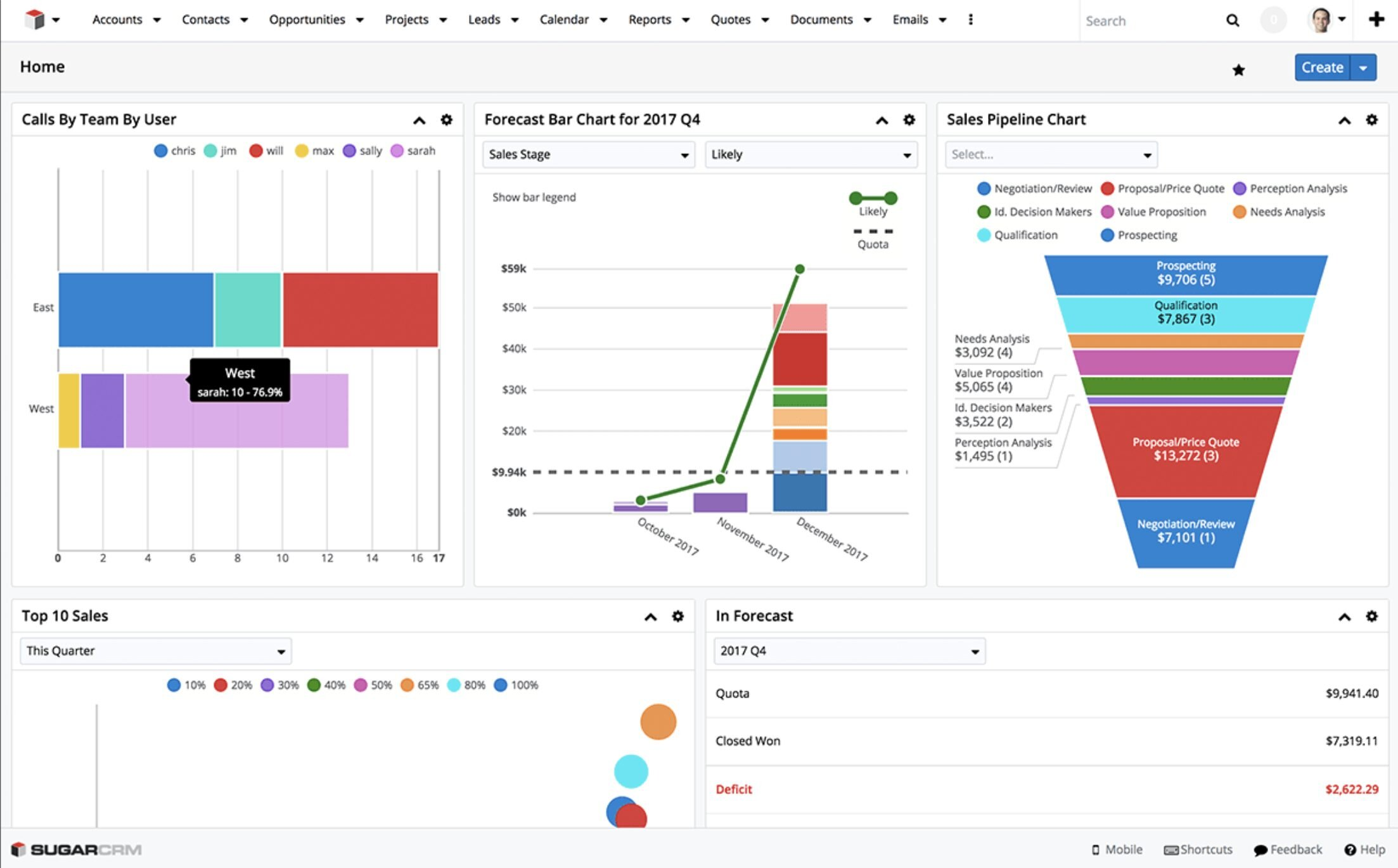
Welcome to our guide on the top CRM software solutions for the service industry! In today’s fast-paced world, customer relationship management is crucial for businesses to succeed. Whether you are in the hospitality, healthcare, or retail sector, having the right CRM software can streamline your processes and improve customer satisfaction. With so many options available, we have researched and compiled a list of the best CRM solutions specifically tailored for the service industry. Let’s dive in and find the perfect fit for your business!
Top CRM Software Features for Service Industry
Customer Relationship Management (CRM) software is essential for service industry businesses to manage relationships with existing clients and attract new ones. There are several key features that are particularly important for service industry businesses to have in their CRM software. Let’s take a closer look at some of the top CRM software features for the service industry:
1. Customizable Service Requests – In the service industry, customer requests are varied and unique. A good CRM software should allow businesses to customize service requests according to the specific needs of each client. This feature enables businesses to effectively track and manage service requests, ensuring that every customer receives the attention and care they deserve. For example, a plumbing service may need to track different types of service requests such as leak repairs, installations, or routine maintenance. With customizable service requests, businesses can categorize and prioritize requests based on urgency and complexity, leading to improved customer satisfaction. Additionally, advanced CRM software may offer automation capabilities that streamline the process of assigning and following up on service requests, leading to quicker response times and better overall service delivery.
2. Comprehensive Customer Profiles – Understanding your customers is crucial in the service industry. A CRM software that offers comprehensive customer profiles can provide valuable insights into customer behavior, preferences, and past interactions with your business. These profiles can include details such as contact information, purchase history, service requests, and feedback. By having a 360-degree view of each customer, businesses can personalize their interactions and tailor their services to meet individual needs. This level of personalization can lead to stronger customer relationships and increased loyalty. Additionally, comprehensive customer profiles can help businesses identify potential upsell or cross-sell opportunities, allowing them to maximize revenue from existing customers.
3. Integration with Communication Channels – In today’s digital age, customers expect to be able to contact businesses through a variety of channels, including phone, email, social media, and live chat. A CRM software that integrates with multiple communication channels can help businesses centralize customer interactions and provide a seamless experience across all touchpoints. For example, a customer who initiates a service request via email should be able to receive updates and communicate with the business through the same channel. By consolidating communication channels within a CRM software, businesses can improve efficiency, collaboration, and response times. This integration also helps businesses track and analyze customer interactions across different channels, providing valuable insights for future marketing and customer service strategies.
4. Analytical Tools and Reporting – Data-driven decision-making is essential for business success in the service industry. A CRM software that offers analytical tools and reporting capabilities can help businesses gather and analyze key performance metrics, such as customer satisfaction scores, service response times, and revenue generated per customer. By tracking and measuring these metrics, businesses can identify trends, spot areas for improvement, and make informed decisions to drive growth. Advanced CRM software may also offer predictive analytics capabilities, allowing businesses to forecast customer behavior and anticipate future service needs. By leveraging analytical tools and reporting features, businesses can continuously optimize their operations and deliver exceptional service to their customers.
Benefits of Using CRM in the Service Sector
Customer Relationship Management (CRM) software has become an essential tool for businesses operating in the service sector. With the advancement of technology, CRM systems have evolved to meet the specific needs of service-based industries such as hospitality, healthcare, consulting, and more. Below are some of the key benefits of using CRM in the service sector:
1. Improved Customer Relationships: CRM software allows service businesses to centralize customer information, preferences, and interactions in one place. This enables service providers to gain a holistic view of each customer, their history with the company, and their needs and expectations. With this information at their fingertips, service teams can personalize interactions, anticipate customer needs, and provide exceptional service that fosters long-lasting customer relationships.
2. Enhanced Communication and Collaboration: CRM systems facilitate seamless communication and collaboration among service teams. With features like shared calendars, task assignments, and internal messaging, CRM software streamlines communication within the organization. Service teams can easily coordinate tasks, share important information, and stay up-to-date on customer interactions. This fosters a more connected, efficient, and responsive work environment, ultimately leading to improved service delivery and customer satisfaction.
3. Streamlined Service Delivery: By centralizing customer data and streamlining communication, CRM software helps service businesses optimize their service delivery processes. Service teams can access real-time information about customer preferences, service history, and upcoming appointments, allowing them to deliver personalized and efficient service. Additionally, CRM systems often include automation features that automate routine tasks, such as appointment scheduling and follow-up reminders, freeing up time for service providers to focus on delivering high-quality service to customers.
4. Data-Driven Decision Making: CRM software provides service businesses with valuable insights into customer behavior, preferences, and trends. By analyzing customer data and performance metrics, service providers can identify opportunities for improvement, make data-driven decisions, and tailor their services to meet customer needs more effectively. This data-driven approach can help service businesses stay competitive, adapt to changing market dynamics, and drive business growth.
5. Increased Efficiency and Productivity: CRM systems are designed to streamline administrative tasks, automate workflows, and eliminate manual processes. By digitizing customer information, service requests, and communication logs, CRM software reduces the need for manual data entry and paperwork, saving time and resources. This increased efficiency enables service teams to handle a higher volume of service requests, improve response times, and enhance overall productivity.
Overall, CRM software can greatly benefit service businesses by improving customer relationships, enhancing communication and collaboration, streamlining service delivery, enabling data-driven decision-making, and increasing efficiency and productivity. By investing in a CRM system tailored to the specific needs of the service sector, businesses can gain a competitive edge, deliver exceptional service, and drive long-term success.
Comparative Analysis of CRM Solutions for the Service Industry
When it comes to choosing the best CRM software for the service industry, there are several factors to consider. In this article, we will provide a detailed comparative analysis of the top CRM solutions available for businesses in the service industry. We will look at key features, pricing, customer reviews, and overall usability to help you make an informed decision for your business.
One of the most popular CRM solutions for the service industry is Salesforce. Salesforce is known for its robust features, scalability, and integration capabilities. It offers a wide range of tools for managing customer relationships, tracking sales, and analyzing data. However, Salesforce can be quite expensive, especially for small to medium-sized businesses.
Another popular CRM solution for the service industry is Zoho CRM. Zoho CRM is a cost-effective option that offers a wide range of features, including lead management, contact management, and sales automation. It is easy to use and can be customized to meet the specific needs of your business. However, some users have reported limitations in terms of scalability and customization options.
HubSpot CRM is another top choice for businesses in the service industry. HubSpot CRM offers a user-friendly interface, powerful analytics tools, and seamless integration with other HubSpot products. It is a great option for businesses that are looking for a simple and straightforward CRM solution. However, some users have reported limitations in terms of advanced features and customization options.
Next up is Microsoft Dynamics 365, a popular CRM solution for businesses of all sizes. Microsoft Dynamics 365 offers a wide range of features, including customer service management, field service management, and project service automation. It is highly customizable and can be integrated with other Microsoft products, such as Office 365. However, some users have reported a steep learning curve and complex implementation process.
Finally, we have Pipedrive, a CRM solution that is popular among small and medium-sized businesses in the service industry. Pipedrive offers a simple and intuitive interface, sales pipeline management, and robust reporting features. It is a great option for businesses that are focused on sales and lead management. However, some users have reported limitations in terms of customization options and integration capabilities.
Overall, when choosing the best CRM software for the service industry, it is important to consider your specific business needs, budget, and scalability requirements. Each CRM solution has its own strengths and weaknesses, so it is essential to thoroughly research and evaluate each option before making a decision. Whether you choose Salesforce, Zoho CRM, HubSpot CRM, Microsoft Dynamics 365, or Pipedrive, implementing a CRM solution can help streamline your business processes and improve customer relationships in the service industry.
Implementation Strategies for CRM in Service-based Businesses
Implementing a CRM system in a service-based business can greatly benefit the organization by improving customer relationships, increasing efficiency, and ultimately boosting revenue. However, the successful implementation of CRM requires careful planning and execution. Here are some strategies to consider when implementing CRM in a service-based business:
1. Define your objectives: Before implementing a CRM system, it is crucial to clearly define your business objectives and goals. Identify the key areas where CRM can add value to your business, such as improving customer satisfaction, streamlining processes, or increasing sales. By understanding your objectives, you can tailor the CRM system to meet your specific needs and objectives.
2. Select the right CRM software: Choosing the right CRM software is essential for the success of your implementation. Consider factors such as the size of your business, the complexity of your operations, and the specific features you require. Look for a CRM system that is user-friendly, customizable, and scalable to accommodate future growth.
3. Train your employees: Proper training is crucial for the successful implementation of CRM in a service-based business. Ensure that your employees are familiar with the new system and understand how to use it effectively. Provide comprehensive training sessions and ongoing support to help them adapt to the changes and maximize the benefits of CRM.
4. Customize the CRM system to meet your needs: One of the key advantages of CRM is its ability to be customized to fit the unique requirements of your business. When implementing CRM in a service-based business, it is important to tailor the system to align with your specific processes and workflows. This may involve customizing fields, creating automated workflows, or integrating with other software systems. By customizing the CRM system, you can ensure that it enhances productivity, improves customer relationships, and drives business growth.
5. Monitor and evaluate performance: Once the CRM system is up and running, it is important to continuously monitor its performance and evaluate its effectiveness. Track key metrics such as customer satisfaction, sales conversions, and employee productivity to assess the impact of CRM on your business. Use this data to make informed decisions, identify areas for improvement, and optimize the use of CRM in your service-based business.
By following these implementation strategies, service-based businesses can maximize the benefits of CRM and achieve their business goals. With a well-planned and executed CRM implementation, businesses can improve customer relationships, increase operational efficiency, and drive growth in the competitive service industry.
Case Studies of Successful CRM Utilization in Service Companies
Customer Relationship Management (CRM) software has revolutionized the way service companies interact with their clients. Many businesses in the service industry have leveraged CRM tools to streamline operations, improve customer satisfaction, and drive business growth. Here are five case studies of successful CRM utilization in service companies:
1. XYZ Marketing Agency: XYZ Marketing Agency implemented a CRM system to manage client relationships and track campaign performance. By using CRM software to store client information, track customer interactions, and analyze marketing metrics, the agency was able to improve communication with clients, track the success of their campaigns, and make data-driven decisions to drive better results for their clients.
2. ABC Consulting Firm: ABC Consulting Firm adopted CRM software to streamline their sales process and improve client retention. By centralizing client information, tracking sales leads, and automating follow-up communication, the firm was able to increase sales efficiency and provide better service to their clients. As a result, ABC Consulting Firm saw a significant increase in customer retention and satisfaction.
3. 123 IT Services: 123 IT Services integrated a CRM system to manage their help desk support and ticketing system. By using CRM software to track customer inquiries, assign tickets to the appropriate team members, and monitor response times, the company was able to provide faster and more efficient technical support to their clients. This led to improved customer satisfaction and loyalty, as clients were impressed by the company’s ability to resolve their IT issues quickly.
4. LMN Event Planning: LMN Event Planning utilized CRM software to organize event details, track client preferences, and manage vendor relationships. By using CRM tools to store event timelines, track client communication, and manage vendor contracts, the company was able to streamline their event planning process and provide a seamless experience for their clients. As a result, LMN Event Planning saw an increase in repeat business and positive word-of-mouth referrals from satisfied clients.
5. PQR Fitness Center: PQR Fitness Center implemented a CRM system to personalize member experiences and improve retention rates. By using CRM software to track member attendance, preferences, and fitness goals, the center was able to offer personalized workout plans, send targeted promotions, and provide special incentives to keep members engaged and motivated. This personalized approach to customer service resulted in higher member retention rates and increased revenue for the fitness center.
Originally posted 2025-04-16 23:00:00.