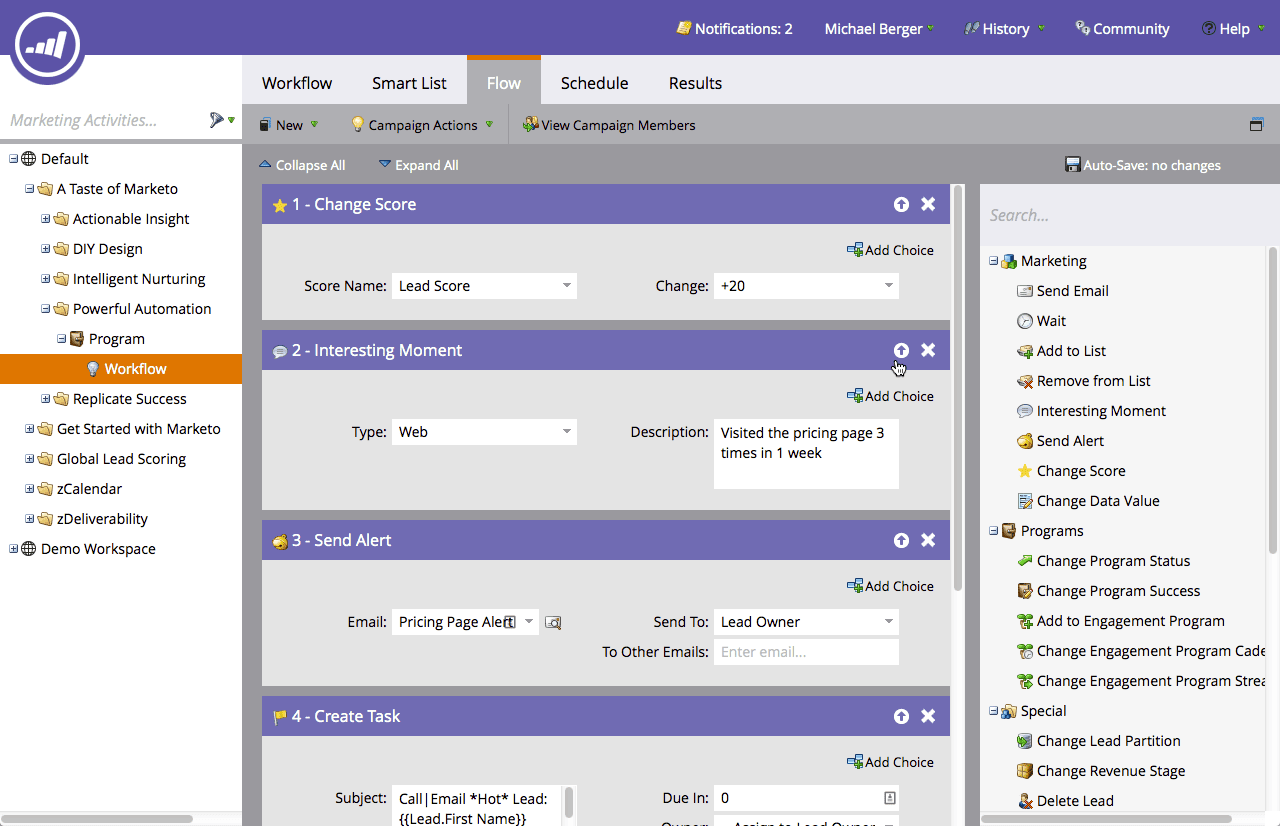
Welcome to our article on the importance of Digital Adoption in CRM! In today’s fast-paced digital world, having an effective Customer Relationship Management (CRM) system is crucial for businesses to stay competitive and maintain strong relationships with their customers. Digital adoption plays a key role in the success of CRM, as it allows companies to leverage technology to streamline processes, personalize interactions, and ultimately, drive customer loyalty. Let’s explore why digital adoption is essential in maximizing the benefits of CRM for your business.
Understanding the benefits of digital adoption in CRM
Implementing a digital adoption strategy in CRM, or customer relationship management, can provide numerous benefits for businesses. One of the main advantages is the ability to streamline and automate processes, saving time and resources. By adopting digital tools in CRM, companies can eliminate manual data entry and administrative tasks, allowing employees to focus on more strategic and value-added activities. This not only increases efficiency but also improves the overall customer experience.
Another benefit of digital adoption in CRM is the ability to gain actionable insights from data. With digital tools, businesses can collect and analyze customer information in real-time, allowing them to make data-driven decisions. This can help businesses better understand their customers’ needs and preferences, leading to more targeted marketing strategies and personalized customer interactions. Additionally, digital adoption can also improve collaboration within the organization, as employees can easily share information and work together towards common goals.
Furthermore, digital adoption in CRM can lead to greater transparency and accountability. By centralizing customer data in a digital platform, businesses can ensure that all relevant information is easily accessible to employees. This can help improve communication and coordination between different departments, ultimately leading to a more consistent and seamless customer experience. Additionally, digital adoption can also enhance security measures, as sensitive customer data can be protected through encryption and access controls.
Lastly, digital adoption in CRM can help businesses stay competitive in today’s fast-paced and digital-driven market. By embracing new technologies and tools, companies can stay ahead of the curve and adapt to changing customer expectations. This can help businesses attract and retain customers, ultimately leading to increased revenue and growth. Overall, the benefits of digital adoption in CRM are vast and can have a significant impact on a business’s bottom line.
Key considerations for implementing digital adoption strategies in CRM
When implementing digital adoption strategies in CRM, there are several key considerations that organizations need to take into account. One of the most important factors to consider is the level of user engagement. It is crucial to ensure that employees are fully onboard with the new CRM system and are actively using it in their daily tasks. This can be achieved through training sessions, workshops, and regular communication to highlight the benefits of using the CRM tool.
Another key consideration is the integration of the CRM system with other existing tools and systems within the organization. This will ensure a seamless flow of data between different departments and will help increase efficiency and productivity. It is important to conduct a thorough assessment of the organization’s IT infrastructure and processes to identify any potential challenges or obstacles to successful integration.
Furthermore, organizations need to carefully consider the scalability of the CRM system. As the business grows and evolves, the CRM tool should be able to accommodate increasing amounts of data and users. It is important to choose a CRM solution that can easily scale with the organization’s needs and is flexible enough to adapt to changing requirements.
Additionally, data security and privacy are crucial considerations when implementing digital adoption strategies in CRM. Organizations need to ensure that customer data is protected at all times and comply with relevant regulations such as GDPR. This may involve implementing strict access controls, encryption measures, and regular security audits to prevent data breaches and unauthorized access.
Finally, organizations should also consider the level of support and resources available for ongoing maintenance and training. It is important to have a dedicated team of IT professionals who can provide technical support, troubleshoot issues, and train employees on using the CRM system effectively. Investing in continuous training and support will help ensure the long-term success of the CRM implementation and maximize the return on investment.
Best practices for achieving successful digital adoption in CRM
When it comes to implementing a CRM system within an organization, achieving successful digital adoption is key. Digital adoption refers to the process of ensuring that employees are effectively using the CRM system to its fullest potential. Here are some best practices to help ensure successful digital adoption in CRM:
1. **Clear communication and training:** One of the most important aspects of successful digital adoption is clear communication and comprehensive training. Make sure to communicate the benefits of the CRM system to all employees and provide training sessions to ensure that they are comfortable using the system. Consider offering different types of training, such as in-person sessions, online modules, and one-on-one coaching to accommodate different learning styles.
2. **Executive support and leadership:** In order for digital adoption to be successful, it is crucial that executives and leaders within the organization are fully supportive of the CRM system. They should be involved in the implementation process, communicate the importance of the system to employees, and lead by example by using the CRM system themselves. When employees see that the leadership team is fully on board with the CRM system, they are more likely to embrace it as well.
3. **Continuous feedback and support:** Another best practice for achieving successful digital adoption in CRM is to provide continuous feedback and support to employees. Encourage employees to share their thoughts, experiences, and any challenges they may be facing with the CRM system. This feedback can help identify areas for improvement and ensure that the system is meeting the needs of the employees. Additionally, provide ongoing support through a designated help desk, online resources, and regular check-ins to address any issues or questions that may arise.
4. **Gamification and rewards:** To incentivize employees to fully adopt the CRM system, consider implementing gamification techniques and rewards. Create friendly competitions, rewards for achieving certain milestones, or recognition for top users of the CRM system. This can help motivate employees to engage with the system and make the adoption process more fun and engaging.
5. **Integration with existing workflows:** Ensure that the CRM system is seamlessly integrated into existing workflows and processes within the organization. This will make it easier for employees to incorporate the system into their daily routines and increase the likelihood of successful adoption. Consider customizing the CRM system to fit the specific needs and workflow requirements of different departments within the organization.
By following these best practices for achieving successful digital adoption in CRM, organizations can maximize the value of their CRM system and improve overall efficiency and productivity. By prioritizing clear communication, executive support, continuous feedback, gamification, and workflow integration, organizations can ensure that employees are fully engaged with the CRM system and are leveraging its full potential. Ultimately, successful digital adoption in CRM is a continuous process that requires ongoing effort and support from all levels of the organization.
Overcoming challenges in transitioning to a digital adoption model for CRM
Transitioning to a digital adoption model for Customer Relationship Management (CRM) can be a daunting task for many organizations. While the benefits of digital adoption may be apparent, there are several challenges that need to be overcome in order to successfully implement this model.
One of the main challenges in transitioning to a digital adoption model for CRM is resistance from employees. Change can be met with apprehension and fear, especially if employees are accustomed to traditional methods of managing customer relationships. It is important for organizations to communicate the benefits of digital adoption to employees and provide them with the necessary training and support to help them adapt to the new system.
Another challenge is the complexity of CRM systems. Many CRM systems are intricate and may require a significant amount of time and resources to implement. Organizations may need to invest in training programs and support systems to help employees navigate the complexities of the new system. Additionally, organizations may need to customize the CRM system to meet their specific needs, which can further complicate the implementation process.
Integration with existing systems is also a common challenge in transitioning to a digital adoption model for CRM. Many organizations already have existing systems in place for managing customer relationships, which may not easily integrate with a new CRM system. This can lead to data inconsistencies and workflow disruptions, making it crucial for organizations to carefully plan the integration process and ensure that all systems work seamlessly together.
One of the most significant challenges in transitioning to a digital adoption model for CRM is data security. With the increasing threat of cyber attacks and data breaches, organizations need to ensure that their CRM system is secure and compliant with data protection regulations. This may require organizations to invest in robust security measures and regularly update their systems to protect against emerging threats.
In conclusion, transitioning to a digital adoption model for CRM comes with its own set of challenges that organizations need to address in order to successfully implement this model. By overcoming resistance from employees, addressing the complexity of CRM systems, integrating with existing systems, and ensuring data security, organizations can set themselves up for success in their digital adoption journey.
Measuring the impact of digital adoption on CRM performance
As businesses continue to embrace digital transformation, the role of Customer Relationship Management (CRM) systems has become increasingly crucial. CRM systems are designed to help businesses manage their interactions with current and potential customers, streamline processes, and drive sales. However, the true value of a CRM system can only be realized through effective digital adoption.
Measuring the impact of digital adoption on CRM performance involves tracking key metrics that demonstrate how well the system is being utilized by employees and how it is contributing to overall business success. Some of the key metrics that can be used to measure the impact of digital adoption on CRM performance include:
1. User Activity: Tracking user activity within the CRM system can provide valuable insights into how often employees are logging in, how long they are spending on the platform, and which features they are using most frequently. This information can help identify areas where additional training may be needed or where the system is not being fully utilized.
2. Data Quality: One of the key benefits of a CRM system is its ability to store and organize customer data. Measuring data quality involves evaluating the accuracy, completeness, and currency of the data within the system. Poor data quality can lead to missed opportunities and ineffective marketing campaigns, so it is important to regularly monitor and address any data quality issues.
3. Customer Engagement: Measuring customer engagement through the CRM system can help businesses understand how well they are nurturing relationships with their customers. Tracking metrics such as email open rates, click-through rates, and response rates can provide insights into the effectiveness of communication strategies and help identify areas for improvement.
4. Sales Performance: A CRM system is often used to track sales leads, opportunities, and deals. By measuring sales performance through the CRM system, businesses can assess the effectiveness of their sales processes, track conversion rates, and identify trends in customer behavior. This information can help sales teams prioritize their efforts and focus on the most promising leads.
5. Return on Investment: Ultimately, the impact of digital adoption on CRM performance can be assessed by measuring the return on investment (ROI) that the system provides. This involves calculating the cost of implementing and maintaining the CRM system against the benefits it delivers, such as increased sales, improved customer satisfaction, and reduced operational costs. By demonstrating a positive ROI, businesses can justify their investment in digital adoption and continue to leverage the full potential of their CRM system.
Overall, measuring the impact of digital adoption on CRM performance is essential for businesses looking to maximize the value of their CRM system. By tracking key metrics related to user activity, data quality, customer engagement, sales performance, and ROI, businesses can gain valuable insights into how well the system is being utilized and make informed decisions to drive business success.